A pump station might seem like a straightforward utility structure from the outside, but in practice, no two projects are exactly the same. A pump station could require the transport of water from a development uphill, and a different site could require water pressure to be maintained in commercial buildings that have different elevations. Some projects are industrial, while others are municipal. Each one has distinct requirements for construction, regulations, and long-term expectations.
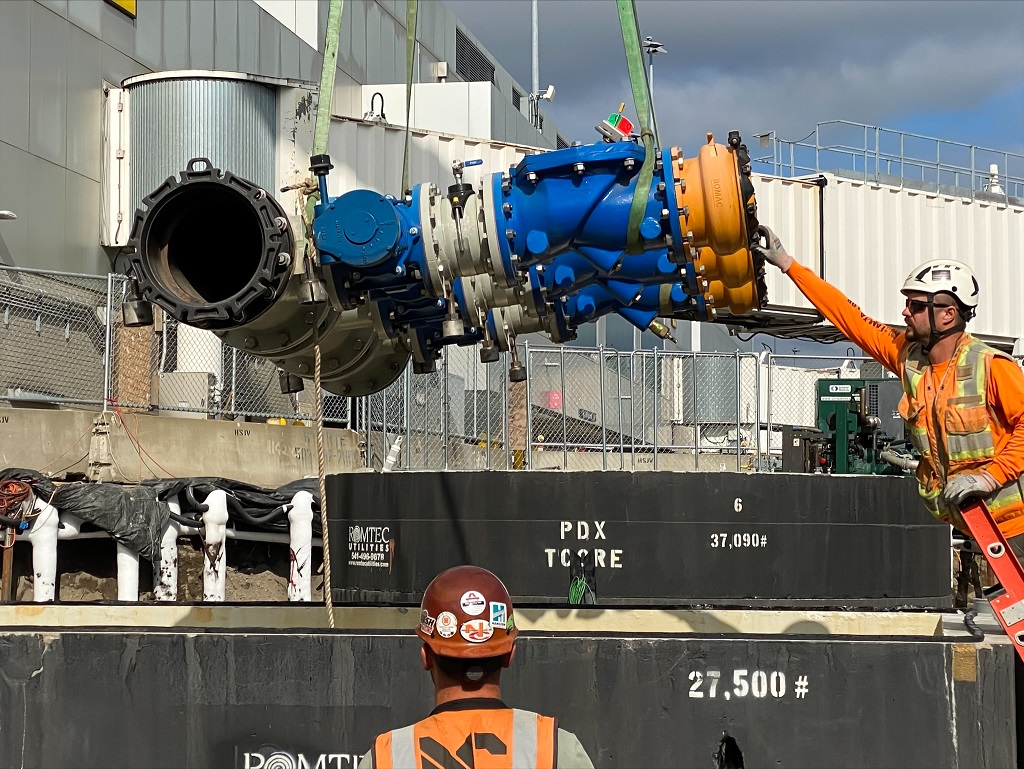
It is for this reason that pumping systems are not constructed with the “one-size-fits all” concept. A successful station has to be designed around the specifics of the site, its flows, the owner demands, and the long-term goals of the property it serves. Romtec Utilities takes this perspective and creates every pumping package systems to meet the specific needs of the project, instead of forcing it to be a part of a general system.
A successful pumping plan involves more than simply moving water
The basic idea behind the purpose of a pumping station is to move water or wastewater in cases where gravity alone is not able to do the job. A pumping station that is functional is not good enough. It should also be efficient, reliable, easy to use, and compliant to local and state regulations. It should be able to work not just in the abstract as well as in real-time for the people in charge of using it.
This encompasses everything from structural plans and wet-well sizing to communication equipment, electrical systems and the way to access maintenance teams. If any of these elements is not planned properly the system could result in operational headaches for decades to come. Engineers and owners alike appreciate working with the most experienced lift station designers. When you’re trying balance budget, site constraints as well as hydraulic performance and long-term durability at the same time expertise is crucial.
Romtec Utilities combines these disciplines all under one umbrella. Romtec Utilities manages the structural, mechanical and electrical elements of the station as a complete system, meaning that customers do not have to coordinate different vendors. This one-source solution could save time during the design stage, decrease confusion during the purchase process and smooth out the installation.
Package pumping systems simplify the process when designed correctly
Package pumping systems make it easier to manage infrastructure projects by combining important components into a cohesive solution. The real value is in how it has been developed. Systems that are not properly matched can result in issues with performance, over-use of equipment, unneeded costs as well as long-term maintenance problems.
Romtec Utilities treats each package as an engineered solution, not just a catalogue item. This means that you should select the ideal pumps, controls and valves to suit your needs along with the piping, enclosures and enclosure options. Consider the way in which the system is expected to operate to be maintained, monitored and monitored. In the case of utilities infrastructure, a careful coordination at the beginning of the design phase is often able to prevent bigger problems later.
Booster pumps can solve a completely different type of infrastructure problem
Not every project is about water. In many construction projects, maintaining the water pressure is just as crucial as moving the water. Booster pumping stations have a vital role to play. These systems are designed for water to flow smoothly through the system, even when the pressure is low due to elevation changes, lengthy pipes, or excessive demand.
Booster systems need a distinctive engineering approach, as they can include SCADA integration, variable frequency drives (VFDs) Telemetry, and architectural considerations, depending on the area. Romtec Utilities creates these stations with a specific mindset which is used in the design of wastewater systems. The end result is functional as well as operationally.
Planning better leads to greater long-term results
One of the most valuable components of the Romtec Utilities process is the early design support that it offers customers. The support for design and engineering allows teams on project teams to gain a better understanding of the scope, configuration and costs of the installation prior to when they get too far into the procurement or construction. This can be a huge benefit for consultants, public agencies as well as developers trying to maintain projects within the budget and within time.
Planning is essential to achieving success, whether it’s a wastewater lifting station, a pumping system, or one of the many custom booster pump stations. A good design consultant will do more than just supply equipment. They aid in shaping a design that is reliable, works with the environment, serves the owner’s objectives, and stands up over time.
In the case of utility work, usually the most effective systems are ones that people don’t notice because they perform. The reliability of these systems is not a matter of chance. It is due to the careful coordination, engineering and the experience of designing every device to satisfy the demands of the particular project.