
Improved medical imaging is usually considered to be more precise images. But, in reality, radiology which is beneficial serves higher purpose. It’s essential to know whether an exam provides the right information in a given medical situation.
When a patient is assessed for breast or prostate issue the diagnostic tests are very different. Modern radiology addresses these variations by using a variety of imaging techniques rather than making use of one scanner for each scenario.
The private consultation offered at the Wolfsburg Diagnostic Center gives patients access to several images-guided diagnostic and imaging services within one radiology practice.
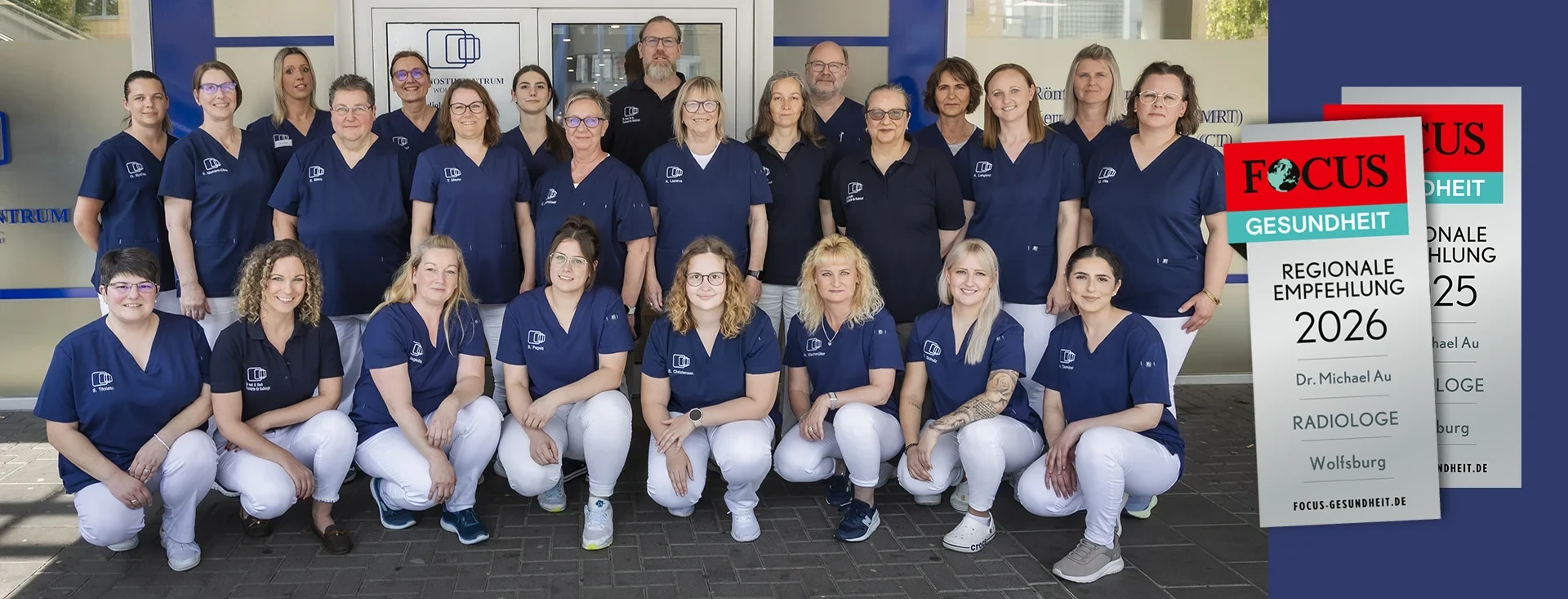
Image credit: diagnostikzentrum-wolfsburg.de
Different Parts of the Body Show Theirself Differently
Bones, organs, joints and soft tissues don’t always appear the same with each imaging technique.
Magnetic resonance imaging is particularly helpful when precise imaging of the various soft tissue structures is needed. The Wolfsburg Diagnostic Center uses two 1.5 Tesla MRIs to examine the spines, brains, joints, internal organs, and soft tissues.
MRI is an non-radiation radiation imaging. The center also provides more focused exams, such as prostate MRI and whole-body MRI in cases of medically necessary.
The expression “MRI” is a technology which describes the application of this technique. But, the medical question will determine the method of use.
CT Provides a Different View
The role of CT in diagnosing medical conditions is distinct. CT creates precise cross-sectional photographs of the body by using X-rays. At the Wolfsburg Diagnostic Center, examinations are performed using low-dose technologies that are designed to decrease radiation exposure while maintaining the image quality required for evaluation.
The clinical situation determines the best imaging method. The sound quality of scans does not necessarily determine its suitability.
Digital X-Ray is still relevant
MRI and CT receive a lot of interest. Conventional X-rays are often outdated. Digital Xrays tell a different story.
Digital systems are an efficient method to study the skeletal system. Modern technology makes use of high-resolution pictures and techniques to reduce radiation exposure.
Also, the latest technologies have broadened the range of radiologists’ options, rather than replacing all methods that came before them.
Breast Imaging demonstrates value in A Focused Method
Breast diagnostics are a different type of imaging which is specialized. The center offers mammography which includes 3D mammography and tomosynthesis, as well as breast ultrasonography. These techniques offer various forms of image information which can be used depending on the specific medical needs.
The same principles apply to radiology: a good imaging process begins with understanding what needs to be studied.
Imaging can help guide treatment
Radiology isn’t limited to finding or monitoring abnormalities. The Wolfsburg Diagnostic Center also performs CT-guided perradicular therapy (PRT) that uses CT imaging aids in the procedure. Another option is low-dose radiotherapy.
These examples illustrate how imaging technology is able to go beyond simple observation, and can play a part in the direction of precise medical treatment.
Precision is asking a narrowed Question
A modern diagnostic center isn’t determined solely by the number of machines it runs. The value lies in the application of technology to a defined medical condition, then having specialists interpret the images. To learn more CT Wolfsburg
During Wolfsburg’s private consultation hours, patients can receive different radiological tests as well as receive expert care. Patients can also engage in a discussion with the doctor about the results.
It’s not about generating more images. The goal is to provide information that is clinically relevant and will assist patients and doctors better be aware of the medical issue in the process of being researched.