
It could make engineering much easier if all water came at the same speed.
It’s not.
The amount of water that enters a residential water system is subject to change throughout the day. Industrial and commercial buildings may be experiencing operating peaks. The flow of water in storms can be affected by weather conditions. Demand for clean-water can fluctuate dependent on the use.
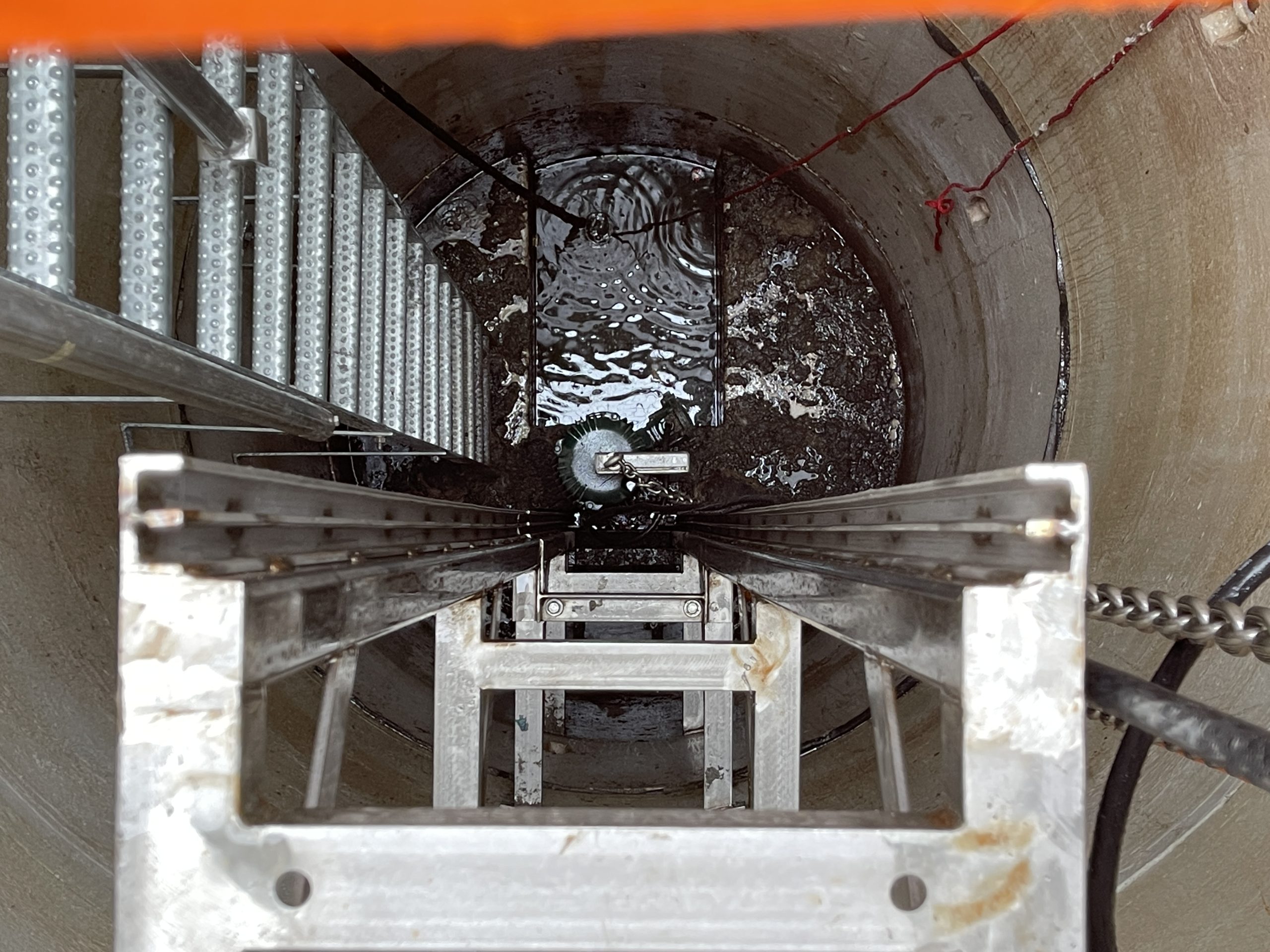
Image credit: romtecutilities.com
As a result, designing a pump station isn’t simply a matter of identifying one flow number and selecting equipment capable of meeting it. Engineers must be aware of the different conditions that the equipment will be used.
Be aware of the operating conditions and Not Just the Maximum Capacity
Maximum flow is obviously important, but it represents only one element of station operation. Imagine a wastewater system has been designed to accommodate a high peak flow. Typically that flow inflows are considerably lower. During these normal operating times, the station should still be functioning properly.
It raises issues such as wet-well sizing and sizing of the pump as well as control, head condition, and how to adjust equipment as demand shifts.
A well-engineered package pumping system brings these factors in line with the requirements of the facility instead of treating maximum pump capacity as the primary design goal.
The Wastewater Industry has its own daily rhythm
Throughout the life of a wastewater lift station influent conditions may alter.
The station’s control strategy will decide how the station is able to collect wastewater and operate its pumps. The dimensions of the structural components, pumping equipment and piping as well as electrical parts and controls all play a an important role in this process.
Other site-specific considerations may also be considered in the design. Romtec Utilities will incorporate any extra systems, including grinders vaults or odor-control equipment as needed. This results in a station designed to meet the needs of the particular project, instead of being a standard design that is applied to all wastewater sites.
Stormwater Can Change Much Faster
Stormwater presents a very different operating scenario. During dry weather the stormwater lift station may not see much use. However, during severe storms, the station could see a significant increase in the amount of activity. The station may be an element of a larger flood-control, detention, treatment, or drainage plan, making the stormwater plan surrounding it an integral part of the design.
In the process of developing these systems, Romtec Utilities considers a variety of elements, including the flow rate needed, head condition, system size, site needs and environmental concerns.
Stations for commercial development may appear different than the ones designed for municipal stormwater use.
Both head conditions and flow are crucial.
Moving 1,000 gallons of water is only part of the engineering task. Engineers must also know where the water is going and the kind of resistance the pumping system has to overcome.
Changes in elevation, piping configuration as well as discharge conditions and many other characteristics of the system affect the head conditions under which pumps operate.
This relation between flow and head is another reason to select an appropriate pump solely based on its rating is not enough. The technology of the pump and station layout must match the hydraulic requirements of the particular application.
Design for the Conditions the Station is likely to experience
Romtec Utilities creates customized pumping system for wastewater, stormwater and clean water applications. They also design and develop systems for industrial, boosters and other purposes. Its procedure may involve budgeting and design in the beginning as well as complete plans, system supply, documentation and startup, testing, and commissioning.
The basic principle of engineering is that real pumping systems can’t function under one condition.
They encounter fluctuating flows, shifting demands, and project-specific hydraulic needs. A successful station must be designed to accommodate that reality.