
It’s surprising how much rough ground a side-by-side can cover on tires. There comes a point where horsepower stops deciding the outcome. Deep snow swallows the wheels, spring mud turns a familiar trail into a mess, and soft pasture ground becomes difficult to cross without leaving deep ruts.
Getting stuck is more than a nuisance for people who depend on their machines. That can mean putting off livestock feeding, scrapping a hunting trip, or losing access to a remote property.
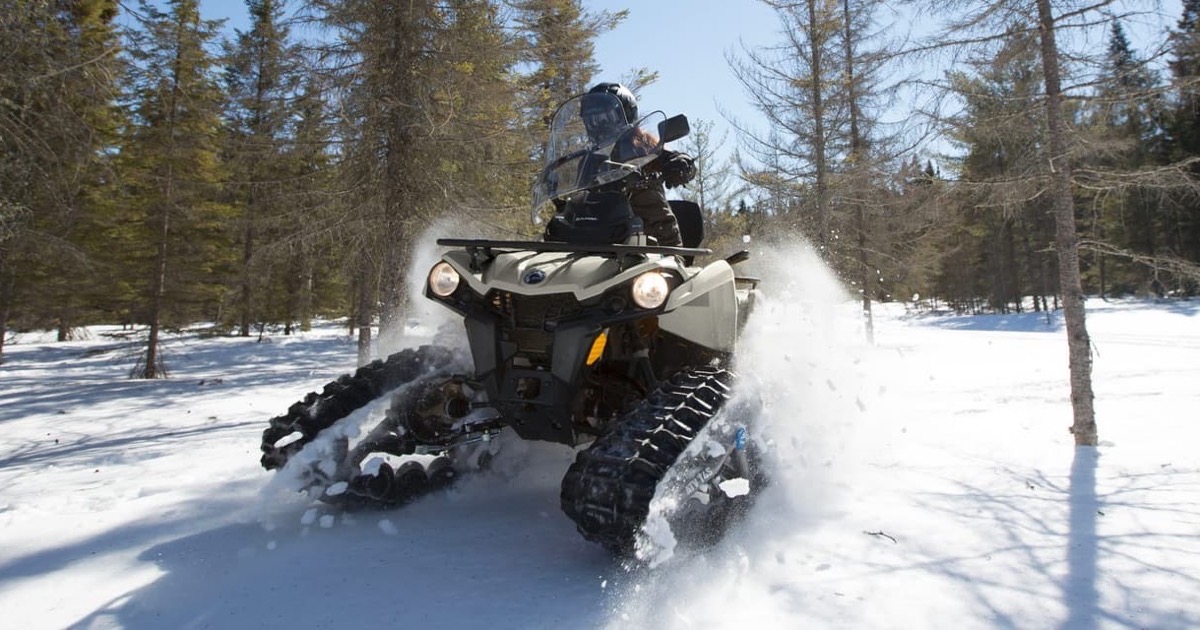
UTV tracks offer a different way to handle these conditions, but choosing the right setup involves more than finding the most aggressive-looking tread.
The Difference a Larger Contact Patch Makes
With a tire, the whole machine rests on a relatively small patch of ground. A track spreads that weight across a much larger surface. That is why a side-by-side floats better in snow and soft soil instead of sinking as deeply.
Extended traction surfaces on quality UTV track systems can improve movement through mud, packed snow, and loose terrain. A machine on tracks can still get buried. Even a tracked UTV can end up stuck in deep, wet mud, hidden obstacles, or poor driving decisions.
What You Need to Reach Is the Real Question
After a winter storm, a rancher needs to check the livestock. Reliable access matters most, particularly with feed and equipment on board. Now, imagine an ice fisherman making the trip to a favorite fishing spot. That driver may care more about snow flotation and maneuverability than heavy hauling.
UTV tracks could benefit both, though the two may not need identical systems. Usual terrain, expected loads, and travel distances are what hunters, landowners, and recreational riders should think about before choosing a kit. More capacity than you need will raise the cost without real benefit.
The Trade-Offs of Taking the Tires Off
Tracks change the way a UTV drives. Expect to give up a lot of top speed for the added traction and flotation. Some manufacturers list average speed reductions of roughly one-third, and performance depends on the machine and conditions.
Fuel consumption can rise and drivetrain components can work harder because tracks introduce rotating weight and resistance. For these reasons, regular inspections, correct track tension, and careful operation become particularly important.
Rubber tracks wear faster during extended travel on pavement or abrasive gravel. Tires may stay the more practical choice if most of your driving involves maintained roads.
Compatibility Comes Before Appearance
Not all side by side tracks fit every UTV. A vehicle’s make, model, and year determine the design of its mounting hardware. Machines that share similar engines may still require different attachment components.
Before you order side by side track systems, verify they’re compatible and get a complete list of required mounting parts, anti-rotation hardware, and any additional installation components. Hardware for your specific vehicle may push the cost of a system above its advertised price.
Think Through the Whole Season
If snow, mud, or soft ground regularly blocks the way to places you need to reach, tracks are particularly useful. By distributing vehicle weight more widely, they may also reduce rutting on sensitive property, though soil conditions and driving practices still matter.
Buyers at ATVTracks.net can compare four UTV track system options and check fitment for their own machines. Buying the heaviest-duty or most expensive setup will not necessarily make the best purchase. Look for the setup that provides enough capability for your real conditions while avoiding unnecessary compromises.
Good tires may be sufficient if your side-by-side spends most of its time on firm trails. Yet, if seasonal conditions keep closing the route, the right track system can make that machine useful for a larger part of the year.